
Piano, finally
Piano Finally is a podcast by an old bloke who is learning the piano, finally. I cover the process of learning the piano and music theory as an adult learner. I also review piano books, hardware and other materials from an adult learner's perspective.
Piano, finally
Episode 91 - Musical Support
Use Left/Right to seek, Home/End to jump to start or end. Hold shift to jump forward or backward.
Welcome to show number ninety-one of Piano, finally, a podcast by an old bloke who is getting around to learning the piano, finally. In this week's show, I'm going to think a bit about how we all should support our local music scene, review a collection of music by Stephen Sondheim, and share some progress recordings.
Progress Update: The voice lessons are working! Two of the choir pieces are All By Myself and Alone, and I was able to handle the middle Cs in the bass part reasonably well. I'm also working on a new piano piece, Titans by Daniel McFarlane, which has to be from memory because the chords in the right hand jump an octave each time. Moonlight Sonata and Sea Song are still coming along slowly.
Podcast Recommendation: Start Here. I highly recommend the third season of the Start Here podcast. It is produced by the ABRSM (the Associated Boards of the Royal Schools of Music) in the United Kingdom and presented by Alexis Ffrench. Each of the ten episodes looks at a different genre of music, from Grime to heavy metal, providing intelligent conversation and insights. https://www.abrsm.org/en-gb/listen/podcast
Essay: Musical Support Spending the weekend at the Blue Mountains Music Festival got me thinking about the people who support performers. Because very few musicians get meaningful support from business and government once they finish their initial training, it should be the audiences that are providing the support. Getting out to see your local musicians is a great way of ensuring that there will still be original music that means something, rather than cheap to produce AI-generated silence filler sounds.
Review: Sondheim for Singers - Baritone/Bass I found out that my unauditioned choir likes to do a bit of a musical audit, which includes singing a song. I found the Sondheim for Singers - Baritone/Bass book, which features forty pieces ranging from A Funny Thing Happened on the Way to the Forum to Into the Woods (though nothing from Assassins). If you are looking to sing some Sondheim, it is a great place to start. Link: https://www.halleonard.com/search/search.action?keywords=sondheim+for+singers&searchcategory=00&dt=item#product
Coming Up this week are voice and piano lessons, choir, Julius Caesar with the Bell Shakespeare Company, and My Brilliant Career with the Sydney Theatre Company.
If you'd like to contact me, email is the best way at david@pianofinally.show or via the website at www.pianofinally.show.
The contents of the podcast were entirely generated by David Reidy, but these show notes were created by Gemini.
You can contact me:
- via email at david@pianofinally.show; this is probably the best option
- the show website, www.pianofinally.show
- Instagram and Threads @pianofinally
- and on YouTube
- all the podcast directories - list
- here's the RSS feed
Some of the links to books and other items mentioned in the podcast may affiliate links for Amazon or other providers. If you use one of these links, a commission may be paid to me at no additional cost to you. Thank you if you use a link.
All reviews of products, websites and services are unpaid, and no sponsorship has been received for any content on this podcast.


G'day everyone, I'm David Reidy. Welcome to "Piano, finally", a podcast by an old bloke who's getting around to learning the piano, finally. Welcome to show number 91. I'm going to think a bit about how we should all support our local music scene. I'll suggest the third season of an excellent podcast from the United Kingdom and review a collection of music by Stephen Sondheim. There are even some progress recordings at the end because I did manage to get at least one practice session in during the week. If you're new to the show, I hope you find all of that interesting. And if you're a regular, I hope you're enjoying the content too. If there's something you'd like me to have a look at or talk about, drop me an email at david at pianofinally.show. During the week, one of my students pointed out that I have likes and reviews on Spotify and other places. I don't follow much in the way of social media, so I hadn't seen them. So thank you very much if you're one of the people who has taken the time to do that. Because so many people who listen to the show are students of mine, I don't interact in the comment sections of any of the places the podcast appears, as that would be inappropriate. If you're not one of my students, the show's email is the best way you can contact me. If you are one of my students, catch me in the top yard. Once again, it was a busy week. Piano lessons on Monday, choir on Thursday, and a university lecture on Tuesday with 16 students in tow. The voice lessons are working. Two of the choir pieces are All By Myself and Alone, and both have a lot of middle C's in the bass part, but I was able to handle them reasonably well. Not so much the D's and the E's that followed, but the lessons are definitely helping my range. I'm also working on a new piano piece, and this one has to be from memory. Much of the piece involves chords in my right hand, which jump an octave each time, so I have to look at my hands to get it right. If I try to look at the score as well, everything grinds to a halt, so memory it is. The left hand is simpler, but I have to concentrate to get the rhythm correct. I'm enjoying the new skills I need to use. Just as I was sitting down to write this week's show, my podcast player popped up a message letting me know that it had added the latest episode of a podcast I have been following since it started a couple of years ago. Start Here is produced by the ABRSM, the Associated Boards of the Royal Schools of Music in the United Kingdom. They are better known for setting the curriculum and examinations for one of the formal music grade systems that is popular in the UK and around the world. The series is, once again, presented by Alexis Ffrench, a pianist, composer and the first artistic director of the Royal Schools of Music. This is the third series of the podcast, and like the previous two, it contains ten episodes, each of which looks at a different genre of music. Mr Ffrench is clearly very knowledgeable about music in general, but for each show he is joined by a guest who is an expert in the episode's genre. You might expect that because the ABRSM is behind the show, there would be a heavy emphasis on classical and romantic repertoire, but this would be incorrect. Although classical music, opera and jazz have all been covered, the range is much wider. The very first episode of the first series looked at Grime, a genre I hadn't even heard of prior to the show, and the first show of this new season is all about heavy metal. Each episode is full of examples, intelligent conversation and insights into the types of music that I would otherwise have nothing to do with. Even though I won't be rushing out to purchase Arena DJ recordings, I have enjoyed dipping my toe in via Start Here. If you want to get a potted explanation of musical types you might otherwise never come across, all in under an hour, give Start Here from the ABRSM a listen. There's a link in the show notes. Musical support. Last week, spending the weekend at the Blue Mountains Music Festival got me thinking about the people that support performers when they bring us their music. And that led me to think about the people that support us in different ways when we decide to learn an instrument. This also got me thinking about how the two worlds come together and how it is up to us as musical learners to also support the professional musicians we see around us. Very few musicians get meaningful support from business and government. When I was at University there were no university fees. Education was free for undergraduate and postgraduate degrees, and that included arts and music degrees. So government support for starting-out musicians was available to all. So, if you were good enough, you could get a proper start in your career. Gone are the days of free university education. An Arts degree at an Australian university is still heavily subsidised by the Government, but it will cost around $9,500 per year for three years if you are a domestic student. For international students, this rises to up to $50,000 per year without the government's contribution. Private providers also offer equivalent programs of study, and although the Government provides low-interest loans, it doesn't subsidise the fees of up to $100,000 for a full qualification. Once you have finished your initial training, government support all but vanishes. Each state has a Symphony Orchestra, and other groups, such as Opera Australia and the Australian Ballet, also attract government arts funding. Such support is very limited and really only applies at the elite level. There is some support at the local government level, but that is usually limited to the free use of facilities rather than direct financial support. Without a recording contract, and even with one, it can be difficult to support yourself as a musician. So, who does support musicians? I'm guessing that there are a lot of companies, such as McDonald's, that are providing employment to people trying to break into the music industry. When I drove taxis as a university student, I worked with a few people who went on to become successful musicians, and I would expect that gig-economy jobs today provide a similar foundation. But really, it should be the audiences that are providing the support, and it is up to us to be the audiences. If we are going to make music, and we would like other people to listen, then I think it is almost an obligation to be the listeners for others, and paying listeners at that. As learning musicians, we understand better than others the amount of effort, both mental and emotional, that goes into getting a piece of music ready for performance. And all that work is unpaid, even if you're a professional. So let's support all those musicians who are trying to live out their dreams. Going to large events is great, and artists such as Ed Sheeran and Taylor Swift are deserving of their success. But there are many more musicians who are not that successful, at least not yet. Those are the ones it takes a bit more determination to see. But there are advantages. In the days before a big event at the Olympic Stadium in Sydney, the electronic road signs along the highway will announce that the parking is sold out. Food and drink at these venues will be ridiculously expensive and the queues to buy it will be long. Compare that with a live music night at the local pub. There'll be plenty of parking, the food will be at pub prices and unfortunately, the queues to get it will be short. And the music is likely to be just as good, or even better. And, if music is about connection, then a local venue wins hands-down. A production at an arena may be spectacular, but you could be a hundred metres of more from the performer, at a local venue you can be close enough to read along with the score. And chances are the musicians will be hanging around in the venue after the show. Local live music is the starting point for so many musicians, it is really what music is about, and it's a way of fighting back against the increasing corporatisation of entertainment. Get out to see your local musicians, or smaller visiting artists as a great way of ensuring that there will still be original music that means something rather than cheap to produce AI generated silence filler sounds. And supporting those musicians means you're also supporting their roadies, if they have them, the engineer on the mixing desk and their family members selling tee-shirts on a table at the back. I found out that the choir I have joined, although it is unauditioned, still likes to do a bit of a musical audit for new members to make sure that they are in the right section. The audit includes a bit of music theory and score reading, some exercises and a line that says"and perhaps sing a song". So I went looking for songs. The audit is apparently quite informal, and it is impossible to fail as it is ungraded, but I'd still like to do a decent job. I like Stephen Sondheim's musicals, so I thought I would pick something that is not too complicated from one of them. We all know that the tenors always get the good parts, so it's hard to find good bass songs, but I found a way. I bought some Sondheim piano music a while back, and the same company makes collections of Sondheim pieces for singers and I found the baritone and bass book, it's called Sondheim for Singers - Baritone/Bass and just in case you're wondering, yes, they do have similar books for other vocal ranges. There are forty pieces in the book, ranging across Sondheim's career from A Funny Thing Happened on the Way to the Forum to Into the Woods, although there's nothing from Assassins. The pieces are either in the original key or they have been transposed down to something appropriate. All the pieces have a piano accompaniment, so they are useful for playing along on the keyboard too. The book has quite a good deal of information about Stephen Sondheim and the musicals, with details of where the pieces fit so that you can have some idea of how the piece should be performed. If you are looking to sing some Sondheim, then Sondheim for Singers is a good place to start. The different voice ranges in the series have different selections of pieces to better suit those vocal ranges, so there is something for everyone. There's a link in the show notes. Coming up this week are voice and piano lessons on Monday, choir on Thursday and then Julius Caesar with the Bell Shakespeare Company on Friday and My Brilliant Career with the Sydney Theatre Company on Saturday. It will be a busy week, but I'll have lots to talk about on next week's show. Just as well school holidays are only two weeks away. If you'd like to contact me, email is the best way. You'll find me at david@pianofinally.show and the website at www.pianofinally.show. In both cases, pianofinally is all one word. The show is also available on Spotify and as an audio- only stream on YouTube. You can subscribe via any popular iOS or Android podcast application or from directories such as Apple Podcasts, Spotify, or YouTube. I also post an excerpt and link for each episode as an Instagram reel. If you're learning an instrument, let me know where you are in your journey. What's going well, and what are the challenges? How are you managing your time? And so, until next week, I hope your piano stays in tune, and you enjoy your time at the keys. In the last couple of weeks, I've added a new piece to the piano repertoire, and that's Titans by Daniel McFarlane. This is the piece I mentioned that has to be learned and memorised, as there is no way that I can look at the score and still get my hands to land in the same place. Luckily, the chords are not too complex, but it is still taking time to get there. I'm writing this before I try to record the practice session, so I'm not sure if you'll get the hands together version; it only works some of the time. Moonlight Sonata and Sea Song are still coming along slowly. I won't include the chord progression this week; we spent all of last week's lesson on Titans, but it is still coming along slowly. The music were recorded using the Kawai NV10, which sent signals to Pianoteq 9 running on an M4 Pro Mac Mini with Cubase 15. piano plays softly Thank you.

Podcasts we love
Check out these other fine podcasts recommended by us, not an algorithm.

Connected
Relay
Upgrade
Relay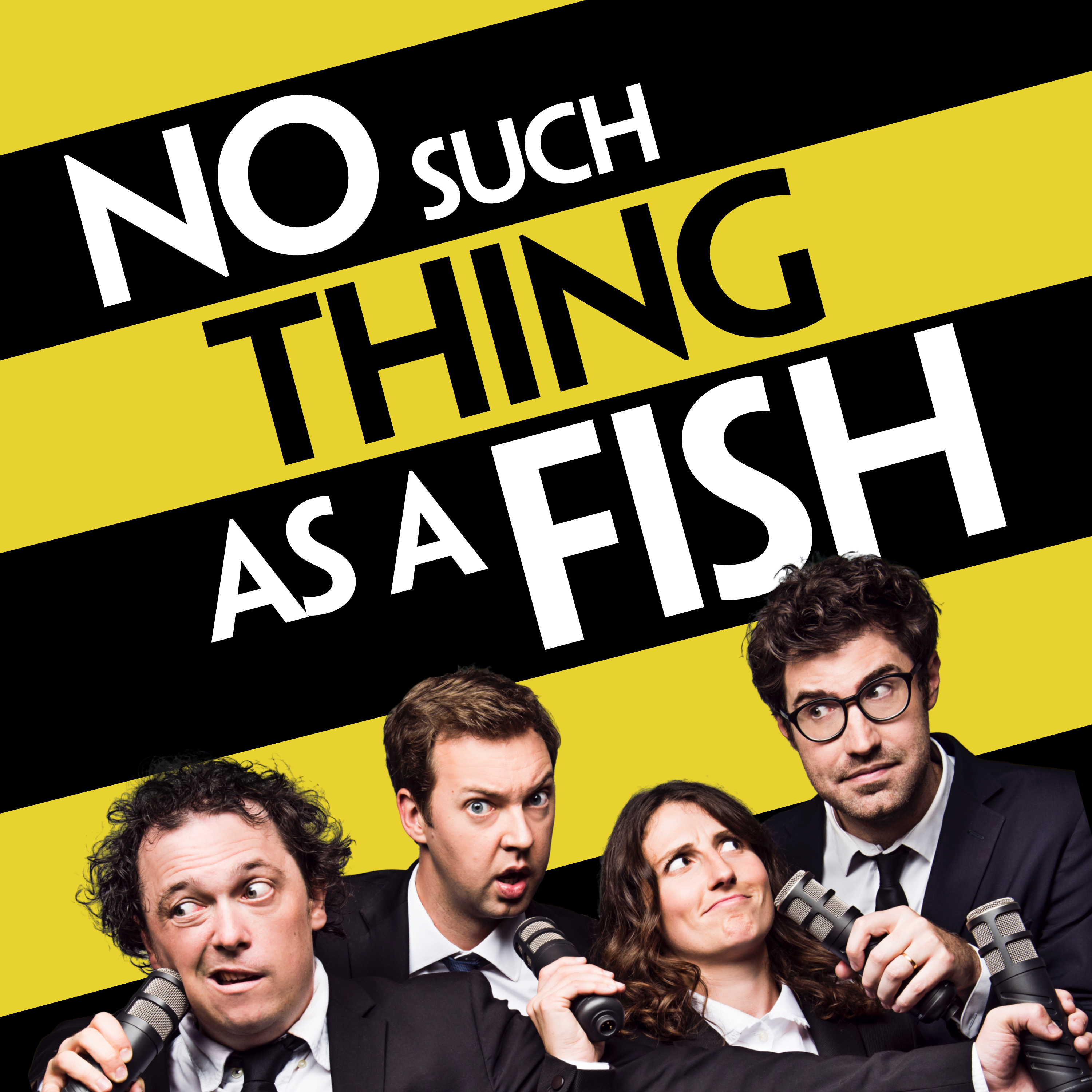
No Such Thing As A Fish
No Such Thing As A Fish
We Can Be Weirdos
GlobalDownload This Show
ABC Australia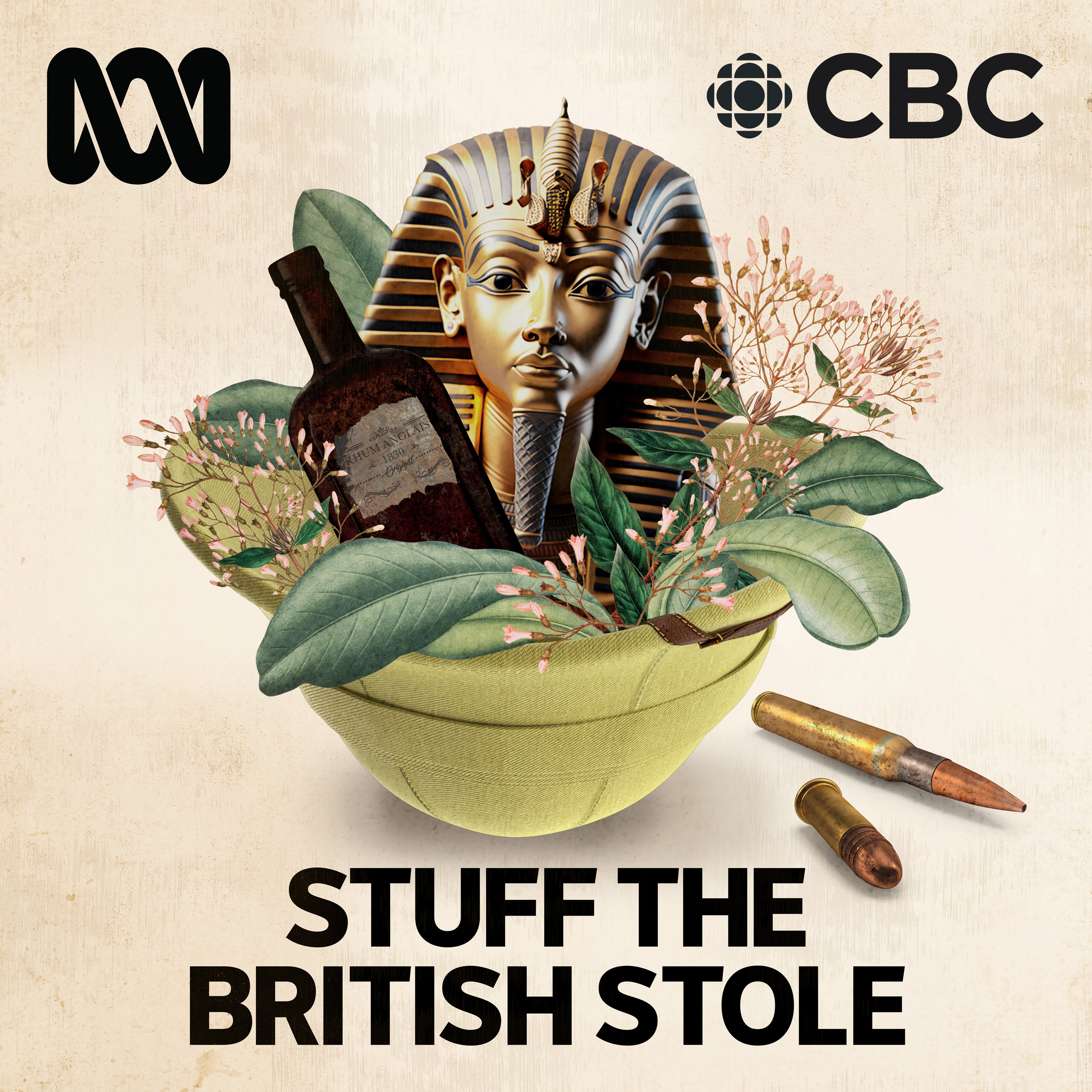
Stuff The British Stole
ABC Australia and CBC
The iDeveloper Podcast
Steve Scott (Scotty) & John Fox
Raven On: A Pop Culture Podcast
Natalie Bochenski & Stuart Layt
Smart Enough to Know Better
Dan Beeston & Greg Wah
TopMusic Piano Podcast
Tim Topham
The Chopin Podcast
Garrick Ohlsson and Ben Laude